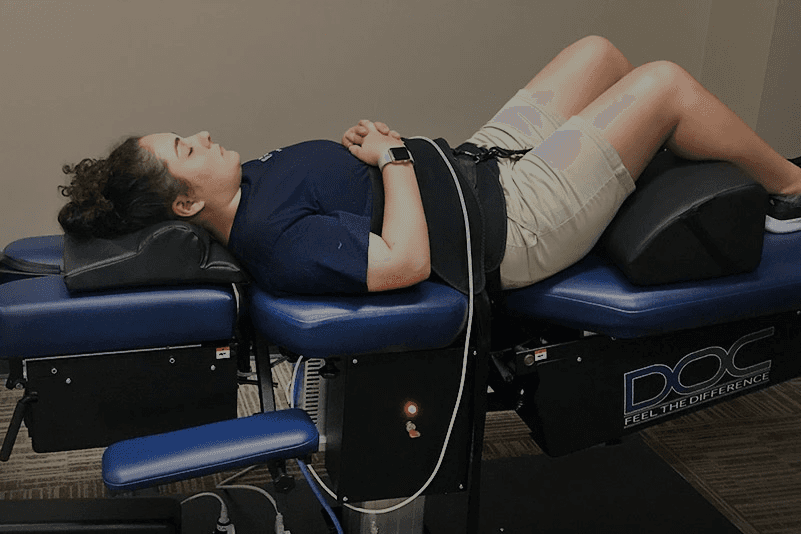
Spinal Decompression Therapy
Non-Surgical Disc Treatment for Car Accident and Personal Injury Patients
Car accidents and personal injury incidents are a leading cause of disc injuries. The sudden force of a collision can herniate or bulge discs along the cervical or lumbar spine, compressing the nerves that pass through those areas and causing radiating pain, numbness, and weakness. Spinal decompression therapy is a non-surgical treatment designed specifically for this type of disc damage.
By gently creating negative pressure within the affected disc, decompression draws herniated material back toward center, relieves nerve compression, and allows nutrients and oxygen back into the disc to support natural healing. For personal injury patients, it offers an effective path to recovery without surgery.
What Is Spinal Decompression Therapy?
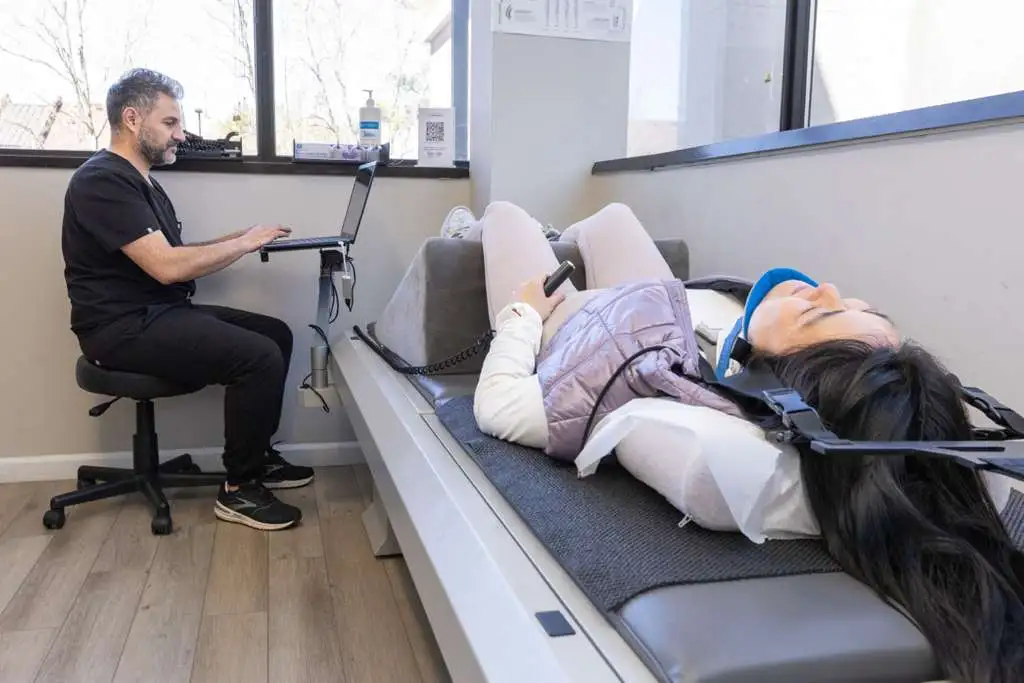
Spinal decompression is a motorized traction therapy that gently stretches the spine to create negative intradiscal pressure. This relieves pressure on compressed nerve roots, retracts herniated disc material, and allows healing fluids to circulate back into the disc. It is particularly effective for the herniated and bulging discs that result from the compressive forces common in car accidents and other personal injury incidents.
How Disc Injuries Happen in Accidents
In a collision, the spine absorbs forces it is not designed to handle at that speed or angle. The outer wall of a disc can crack or tear, allowing softer inner material to push outward and press against a nerve root. Even low-speed impacts can cause this type of damage. The injury may not produce significant symptoms right away, which is why many accident victims seek care weeks after the incident once the pain has become harder to ignore.
Conditions We Treat Following Personal Injury
We are Injury Relief Chiropractic, a dedicated personal injury chiropractic practice with eight clinics across Northern Virginia, including Vienna, Sterling, Manassas, Woodbridge, Fairfax, and Chantilly. With over 13 years of experience, our primary focus is delivering expert personal injury chiropractic care while making it as straightforward as possible for personal injury chiropractic attorneys to work with our team throughout your client’s recovery.
Spinal decompression therapy is a non-surgical treatment option that can help with a variety of spinal conditions. Some of the main conditions this therapy addresses include:
Sciatica
Bulging Disks
Pinched nerves
Herniated Disks
Chronic lower back pain
Degenerative disc disease
Problems from failed back surgeries
Spinal cord injuries that cause nerve compression
Techniques Involved In Spinal Decompression Therapy
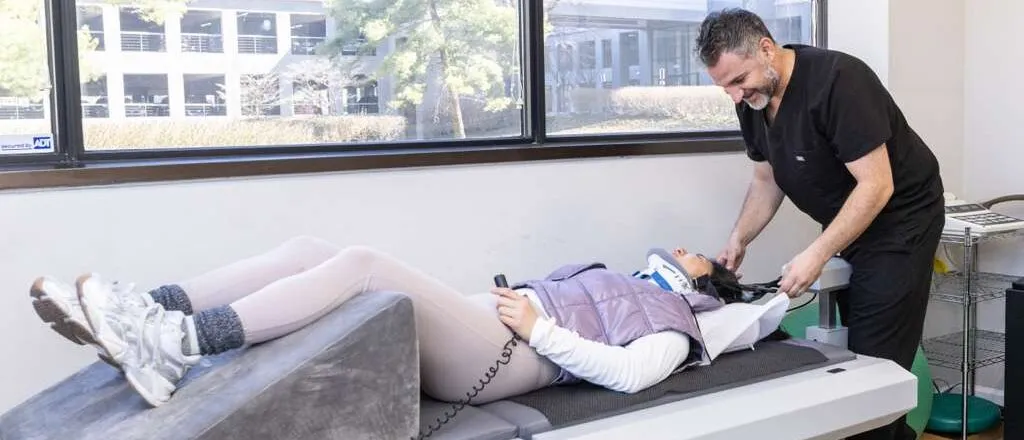
Spinal decompression therapy uses a motorized device or traction table to create the necessary negative pressure within the intervertebral discs.
Here’s how it works:
Customized Treatment Plan: Our chiropractors at Spine Relief Clinic will create a treatment plan tailored to your specific needs and condition.
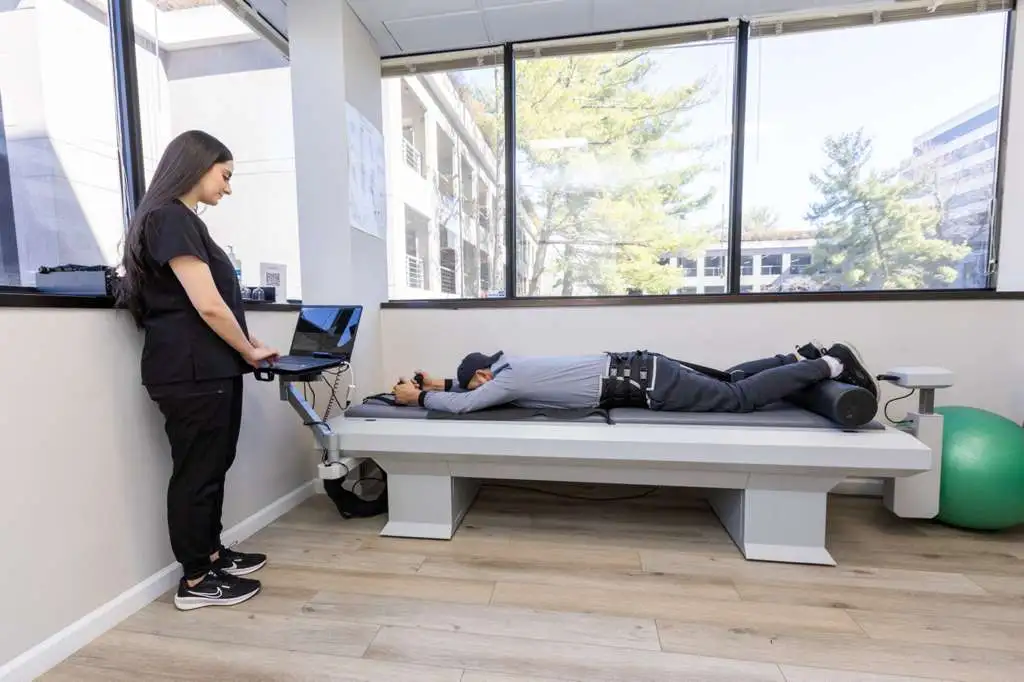
Harness Fitting: You’ll be fitted with a special harness that secures you to the table.
Traction Table Setup: You’ll lie on a computer-controlled traction table, which is then adjusted to target the specific areas of your spine that need treatment.
Benefits for Personal Injury Recovery
For PI patients, spinal decompression offers a way to treat serious disc injuries without the risks, costs, and lengthy recovery time of surgery. Treatment is drug-free, which means there are no medication side effects to manage alongside your case.
Key benefits include:
Significant pain reduction
Getting back to activities you love
Improved mobility
A non-surgical alternative to invasive procedures
Potential long-term healing
What to Expect During the Therapy Sessions?
Initial Consultation and Assessment
To determine whether a patient is a good candidate for spinal decompression therapy, a comprehensive evaluation is essential. This includes:
Medical History Review: Understanding the patient’s past and present health conditions, as well as previous treatments undertaken.
Spinal Examination: Conducting a thorough physical examination to evaluate spinal alignment and detect any abnormalities.
Imaging Assessment: Utilizing CT or MRI scans to gain detailed insights into the patient’s spinal structure and identify specific issues such as disc herniations, spinal stenosis, or other conditions affecting the spinal column.
The table below outlines the key conditions and factors considered in the assessment process for spinal decompression therapy:
Assessment Criteria | Considerations |
Medical History | Chronic pain, previous surgeries, medication usage |
Physical Examination | Posture, pain points, spinal curvatures |
Imaging (CT/MRI Scans) | Disc conditions, nerve root compression, spinal stenosis |
Working with Personal Injury Cases
We work closely with PI attorneys across Northern Virginia, providing detailed injury documentation, progress notes, and treatment records throughout your care. Our reports are designed to support your legal claim from the first visit through the end of treatment.
Ready to Start Treatment?
If you are dealing with disc pain or other spinal injuries following an accident, do not wait. Contact Injury Relief Chiropractic today to schedule your evaluation and find out whether spinal decompression is right for your recovery.
Our Spinal Decompression Services Serve Personal Injury Patients Across Northern Virginia
Take the First Step Towards Recovery
If you’ve been injured in an accident, don’t wait any longer to get the help you need. Contact our practice today to schedule a consultation. We’re here to help you get back on the road to recovery.